Award-Winning VR Training System for Metro Maintenance Technicians
Role: Interaction / UX Designer (XR)
Domain: VR · Industrial Training · MRO
Client: Mumbai Metro
Organization: Tata Elxsi
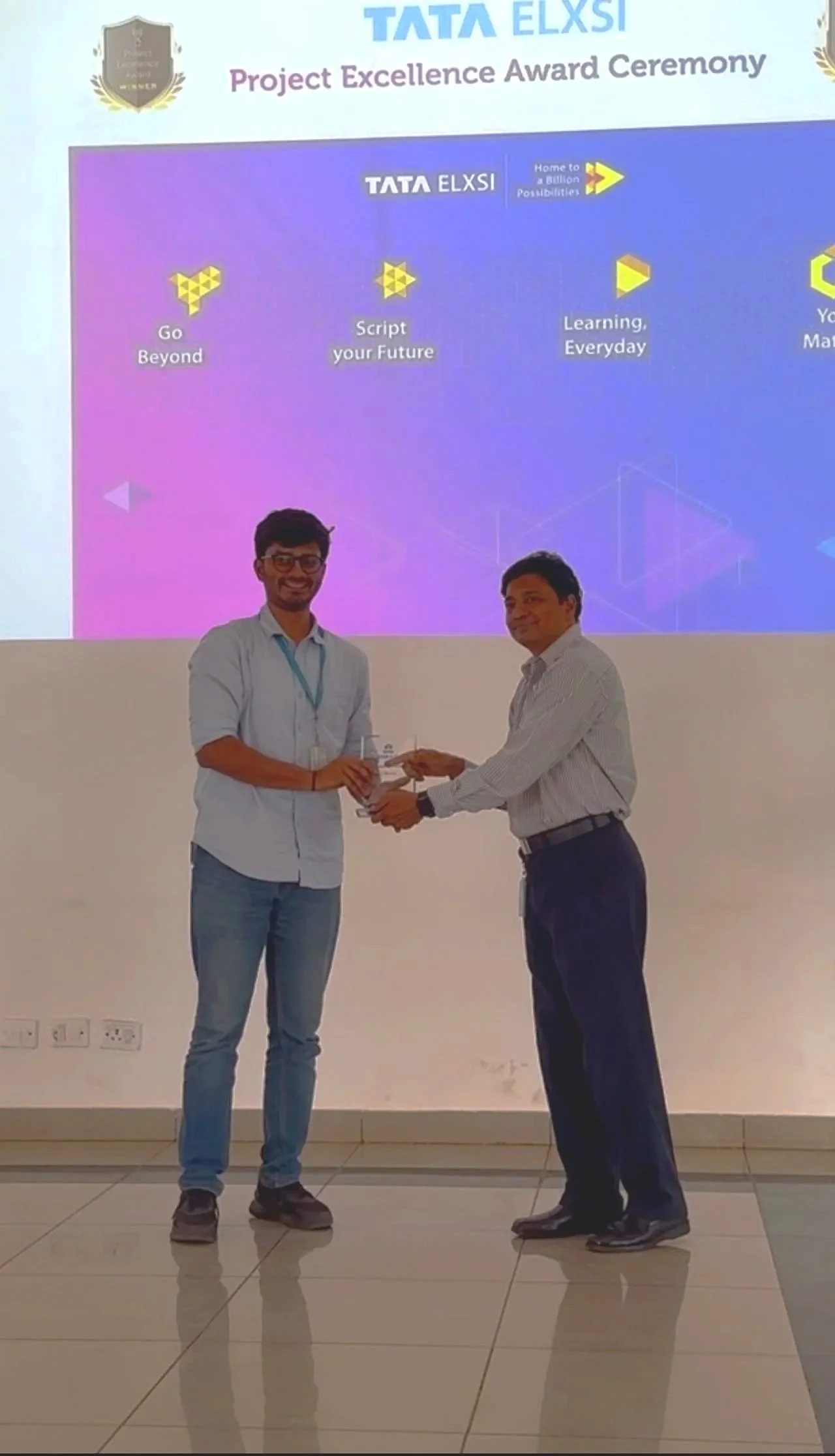
Recognition: 🏆 This project received a prize for innovation and impact
Platform: Virtual Reality
Timeline: 10 weeks
Overview
This project involved designing and developing an immersive VR-based training system for Mumbai Metro maintenance technicians. The experience was created to help technicians understand complex train components in a safe, realistic, and cost-effective manner, significantly reducing dependency on physical training infrastructure.
The solution was recognised with a prize for its innovation, effectiveness, and real-world impact, reinforcing its value as a scalable industrial XR training model.
Problem Statement
Maintenance technicians often do not have comprehensive familiarity with all train components and sub-systems while performing maintenance tasks. This can result in:
Inefficiencies during maintenance
Improper handling of sensitive equipment
Use of incompatible tools or techniques
Incorrect part installation
Increased downtime and operational disruption
Traditional hands-on training methods are expensive, risky, and difficult to scale. There was a need for a targeted, immersive training solution that improves component-level understanding while reducing cost and risk.
Objective
The objective was to create a VR-based technician training experience that:
Provides hands-on familiarity with intricate train components
Enables safe learning without real-world risk
Reduces training costs and dependency on physical mockups
Improves maintenance accuracy and technician confidence
Scales easily for future training needs
Solution Overview
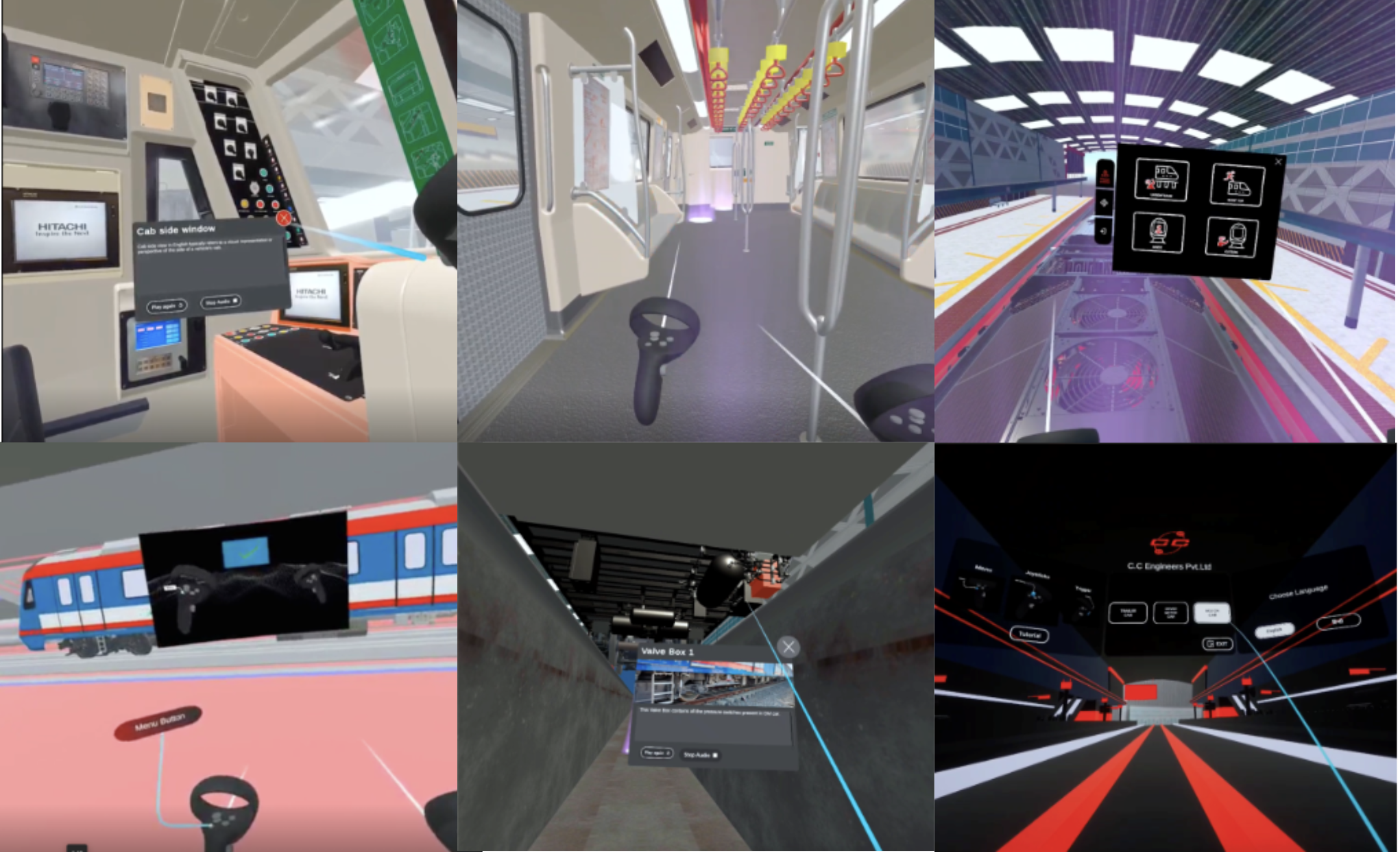
The VR experience offers a full-scale, interactive digital train that technicians can explore in detail.
Key Experience Features
Tutorial Mode to onboard first-time VR users
Teleportation-based navigation across:
Underframe
Interior
Exterior
Rooftop
Driver’s cabin
Burst Mode Animation to reveal internal components
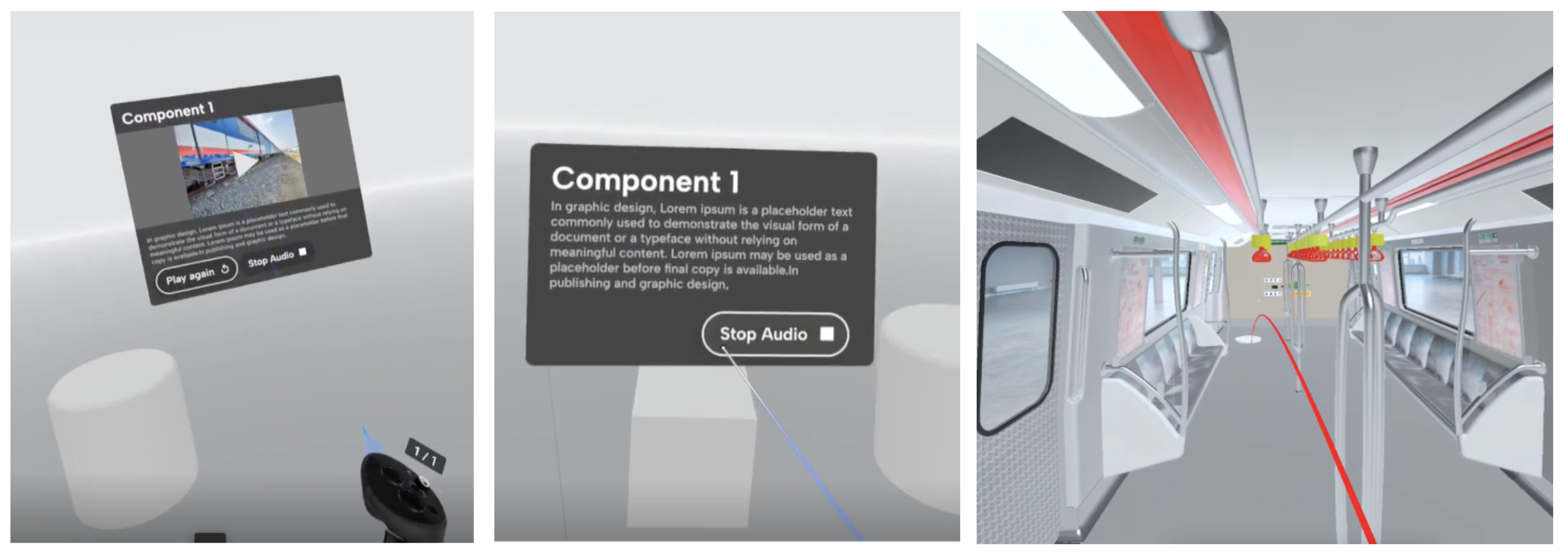
Information panels with specifications, images, and descriptions
Multiple train configurations, including:
Driving Motor Car
Motor Car
Trailer Car
Lobby-based switching between compartments
This enabled technicians to gain a comprehensive understanding of the entire train, something not feasible with physical models alone.
Scope of Work
3D model optimization
VR application development
Information labels and data panels
User Interface (UI) design
Performance optimization
Testing and validation
Interactive tutorial design
Key Challenges
High-Fidelity VR Performance
Anti-aliasing issues in VR were resolved through asset-level optimization and technical rendering techniques
Defined a custom quality setting to balance performance without compromising visual fidelity
Information Readability in VR
Information panels initially intersected with 3D geometry at close distances
Refined spatial placement and interaction logic to maintain readability and immersion
User Familiarization with VR
Many technicians were first-time VR users
Designed a hands-on tutorial to teach controller usage and navigation
Implemented language localization to support local users
Heavy CAD Data Optimization
Raw STEP files (~2 GB each) were manually optimized
Converted into FBX models of ~200 MB without loss of visual quality
This step was critical for real-time VR performance
Innovations & Improvements
Custom VR quality settings balancing performance and realism
Language localization
AI-powered voiceovers in Hindi and English
Dynamic content updating
Clients can update text, PDFs, and images without rebuilding the application
Scalable architecture
Designed to support additional train models in the future
Design & Research Process
The project followed a structured design thinking approach:
Empathize → Define → Ideate → Prototype → Test → Develop
This ensured:
Continuous improvement
Clear communication with stakeholders
Alignment with real-world training needs
Reduction of unnecessary rework
Best Practices Followed
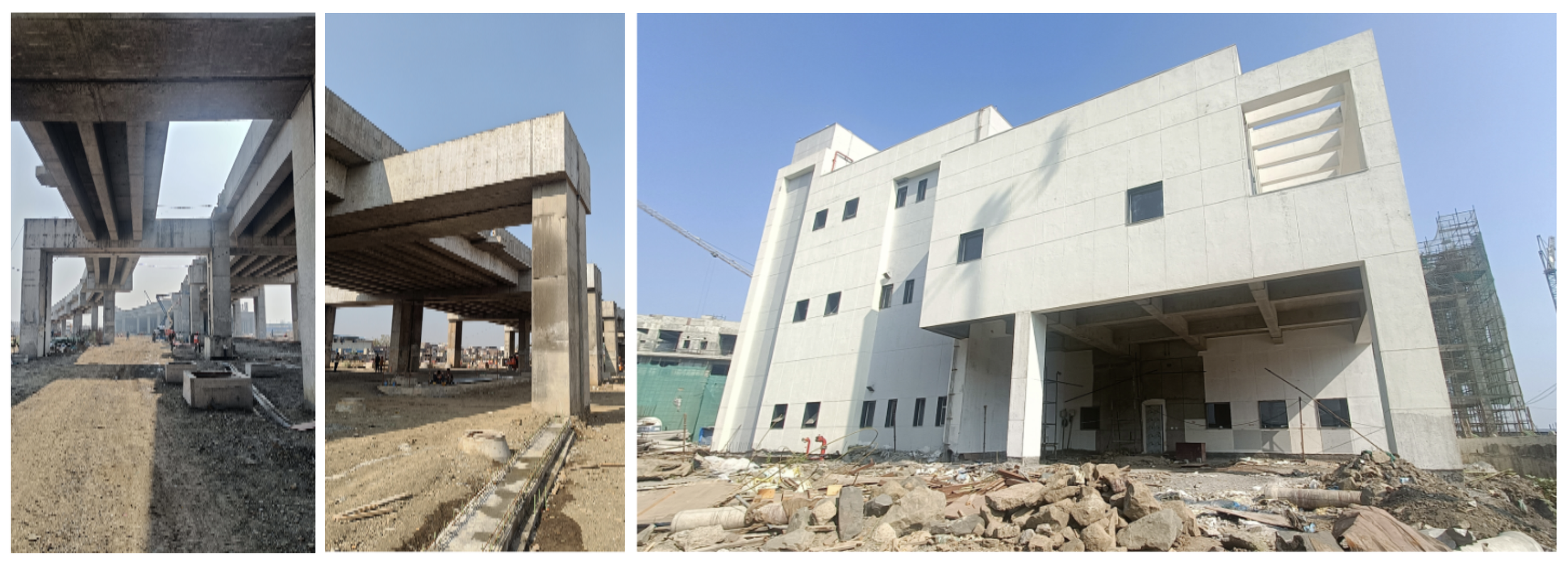
On-site visits and primary research
User interviews with technicians
Observing live training sessions
Deep understanding of demographics and operational context
Being present during actual training programs helped ensure the solution was grounded in real-world conditions, not assumptions.
Visual Accuracy & Documentation
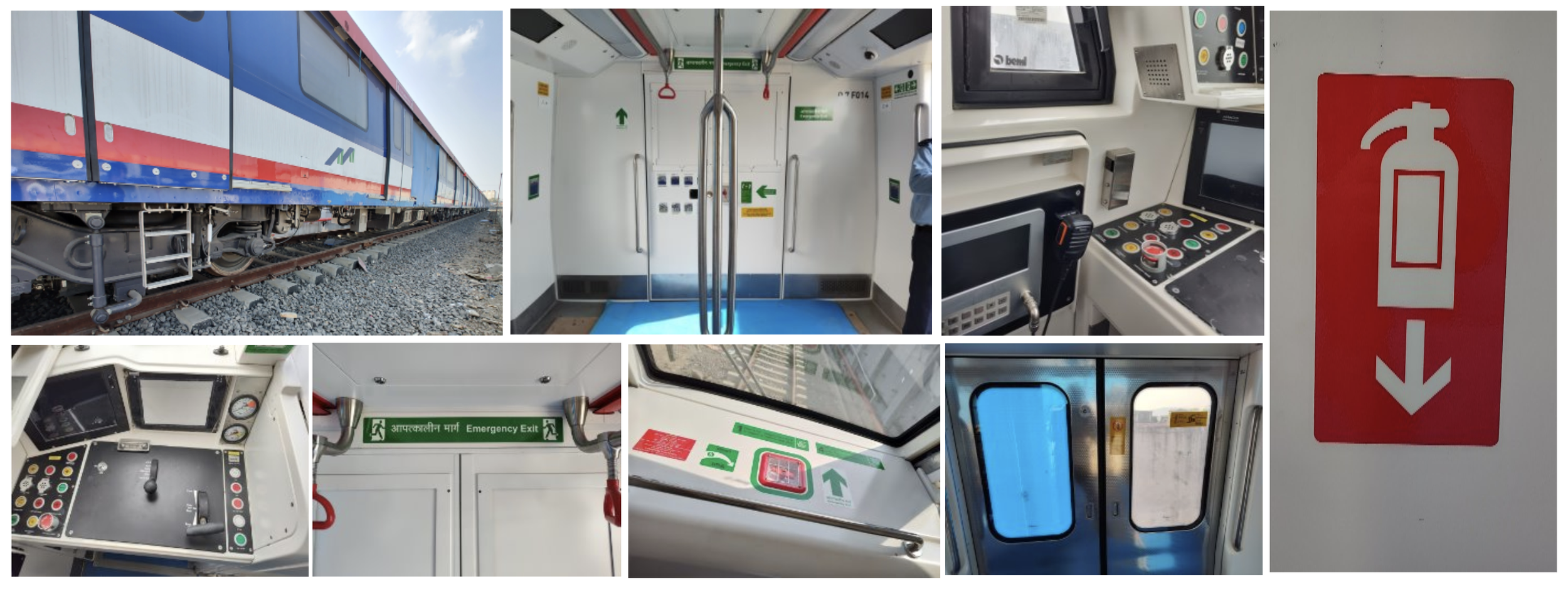
Extensive photo and video documentation of train components was created and shared with 3D artists.
This ensured:
Highly accurate 3D models
Correct proportions and details
Better understanding of internal systems
A more immersive and realistic VR experience
This level of precision was essential for effective maintenance training.
Outcomes & Impact
Measurable Business Impact
Training cost reduced from ₹50 crore to approximately ₹5 lakh
Eliminated the need for expensive physical training models
Enabled visualization of internal components impossible in physical setups
Value Delivered
Improved technician understanding and confidence
Reduced training risk and downtime
Created reusable CGI assets for multiple use cases
Demonstrated the power of XR for MRO workflows
Strategic Value to Client & Tata Elxsi
Served as a proof of capability for industrial XR
Opened opportunities in:
Digital twins
VR-based Learning Management Systems
AR-assisted maintenance
Remote assistance solutions
Interactive 3D visualization platforms
The client expressed interest in expanding the solution into a broader MRO and digital transformation roadmap.
Reusable Assets Generated
All project outputs were designed for reuse:
Design documentation
Optimized 3D models
Source code
Testing and validation documents
This ensured long-term value beyond the initial deployment.
Tools & Technologies
CAD Exchanger – CAD to FBX conversion
Autodesk Maya – Retopology, optimization, UVs
Substance Painter, Photoshop – Texture creation
Unity 3D – Shading, lighting, application development
ShapesXR, Figma, Illustrator – UX, UI, spatial design
Reflection
This project demonstrated how immersive technologies can radically transform industrial training when designed with empathy, technical rigour, and scalability in mind.
Winning a prize for this work validated not only the technical execution, but also the design thinking, real-world impact, and business value of the solution.